The Healing Power of Creativity: A Physician’s Journey Through Art

by Hoda Sayegh, MD
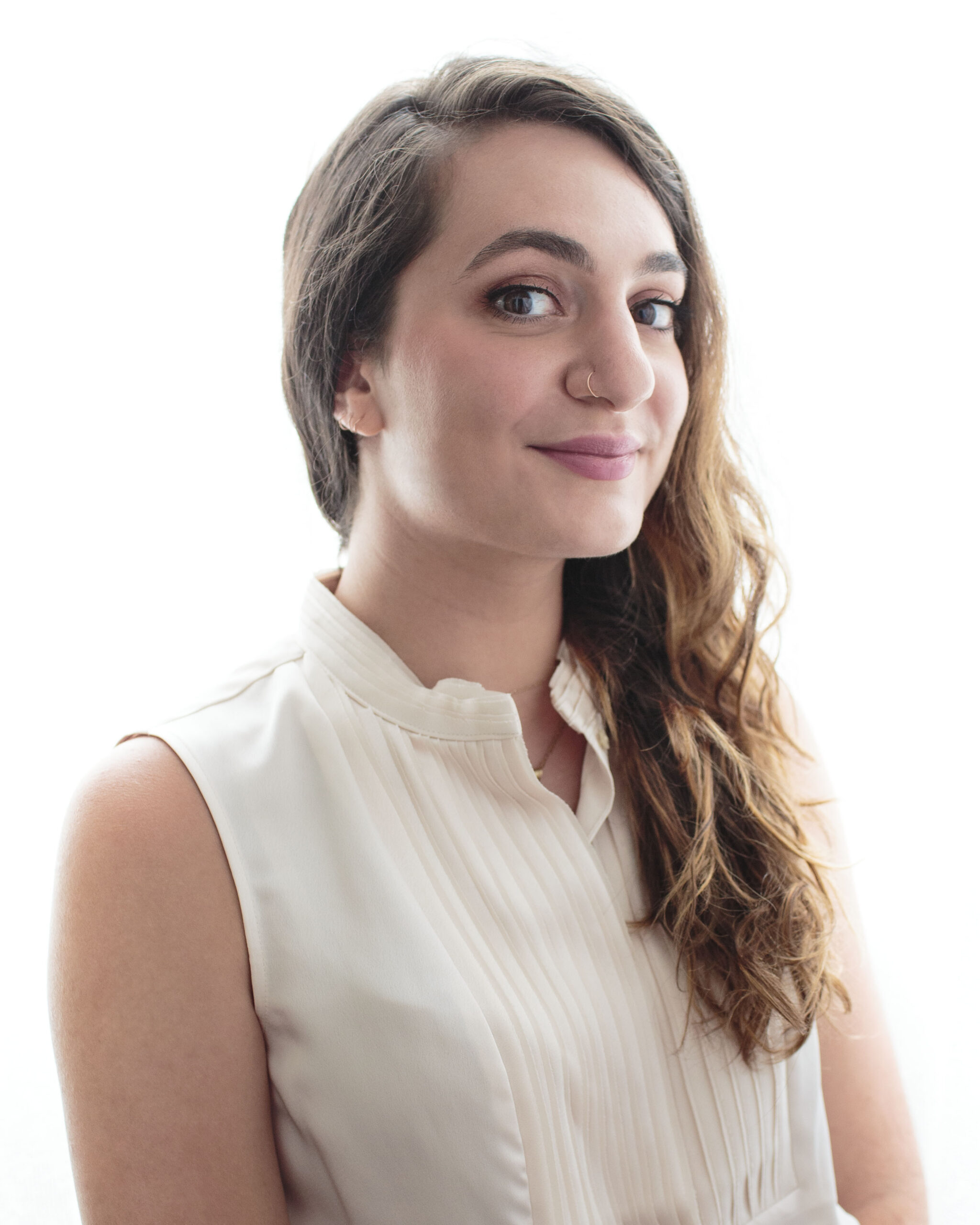
Hoda Sayegh, MD, is a 2025-26 Chief Resident in Stanford’s Department of Medicine

This is a story not about a research project nor a newly pioneered effort at Stanford Hospital. Rather, I have a special opportunity to share my love of the visual arts and how my art and medical practices are inextricably linked.

I was introduced to art through wood and metal sculpture in college. But in the years between university and medical school, I could not find a studio to accommodate these media. I figured ceramics was an alternative form of sculpture and, on a whim, signed up for a beginner class. After many beginner classes (it’s not easy!), dozens of unintentionally asymmetric vases gifted to tolerant friends, and one year’s time, the ceramics studio became a second home and safe haven. Conducting oncologic clinical research during my 9-to-5 positioned me closer to severe illness and death than I’d ever been. The pottery wheel with its constant, almost hypnotic, spinning forced me to stop and process my patient’s stories and the second-hand grief.

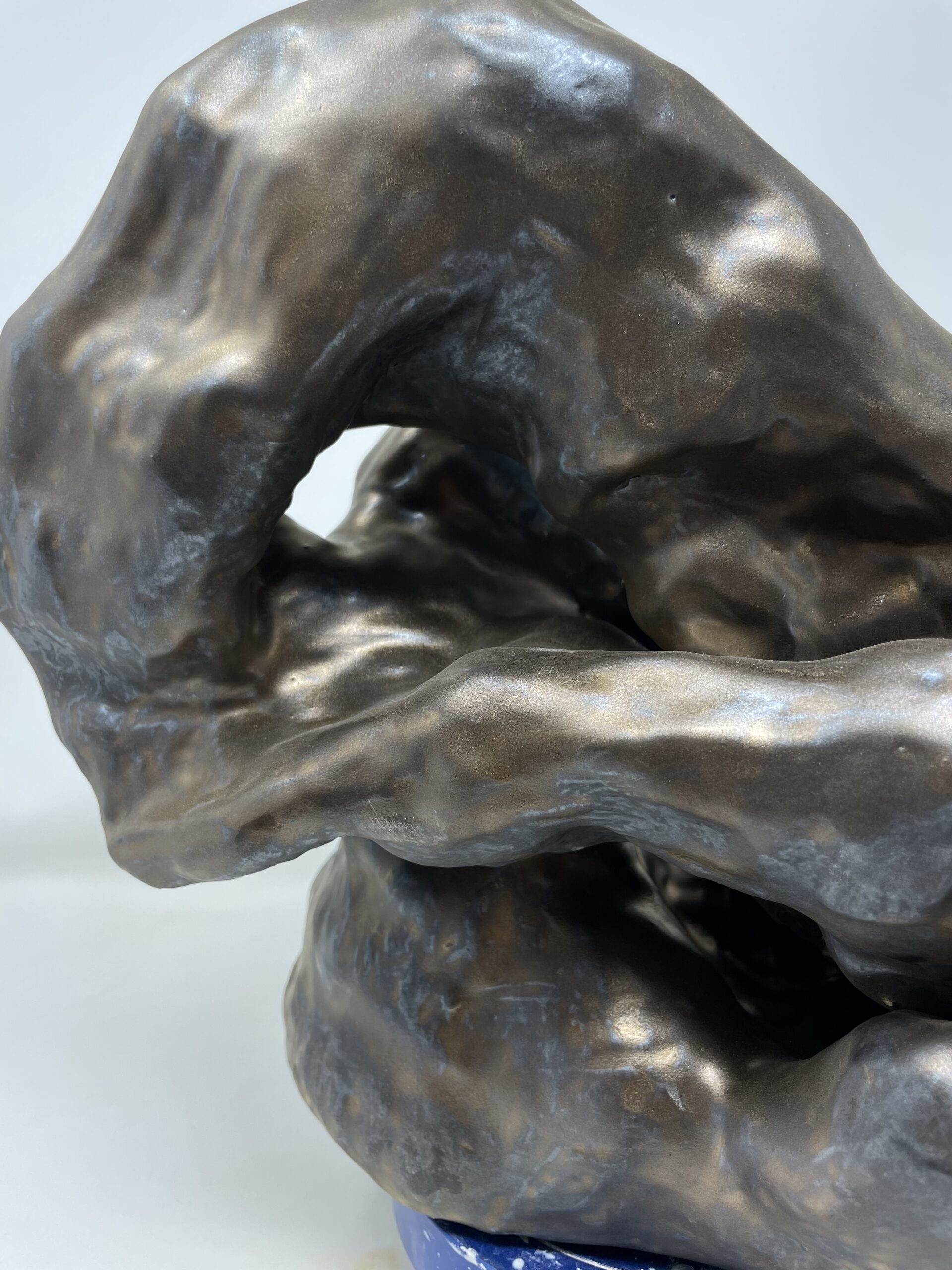
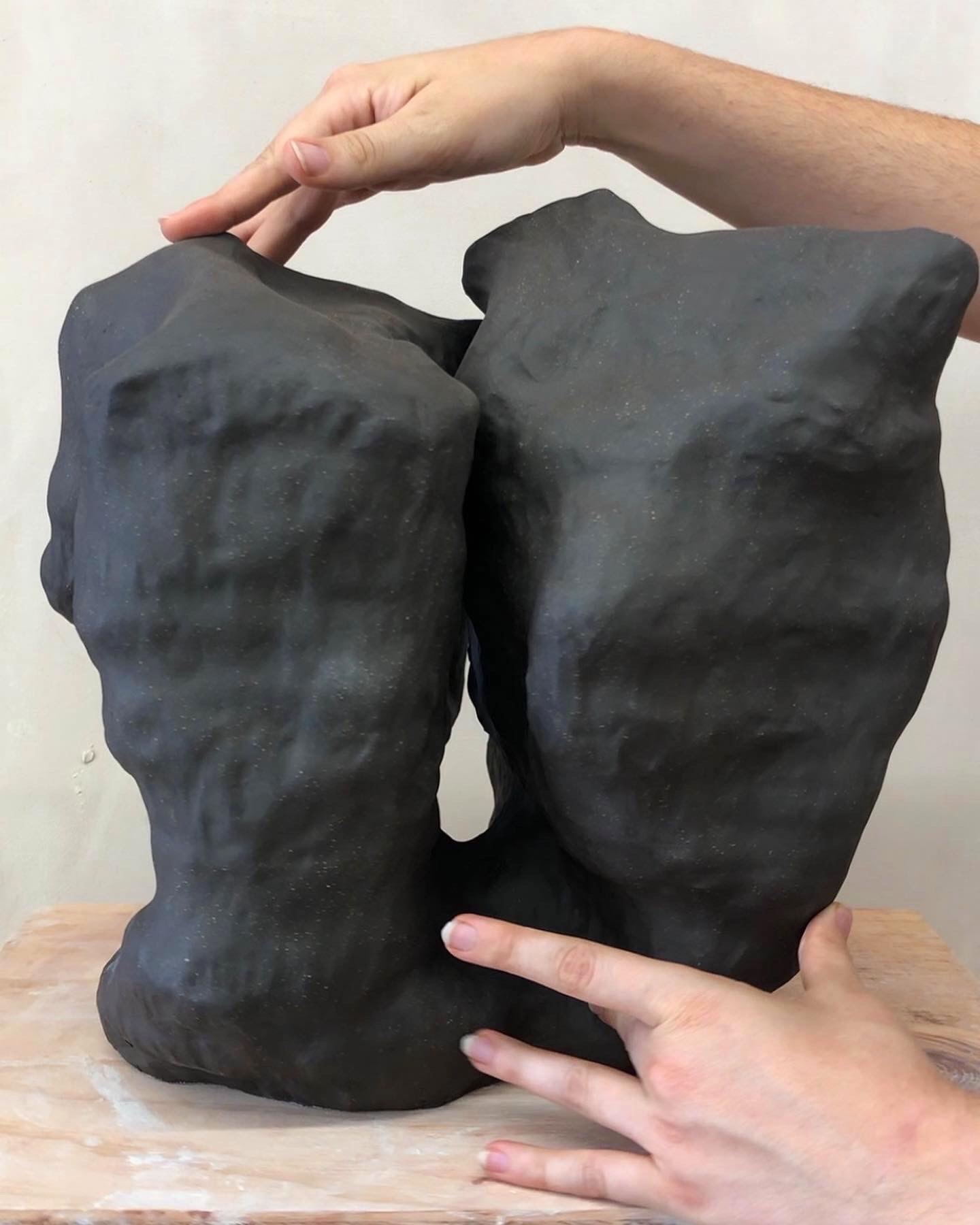
I began medical school gifted with an important piece of advice from the interview trail: “Do not give up your hobbies during medical school while waiting for your next chapter: residency, fellowship, early attending.” I took this to heart, visiting the studio during lighter periods in medical school. During the pandemic, my pottery studio closed. I set up shop on the floor of my Chicago apartment, teaching myself how to sculpt pottery by hand, this time processing the loneliness of lockdown [pieces pictured below].

As I think about incoming residents, I feel passionate about showing them that there are aspects of medicine that can inspire and sustain us.
Matching at Stanford for Internal Medicine residency, I excitedly located several ceramics studios near campus. Yet somehow, without realizing it, my intern year came and went without clay dirtying my hands. In my second year, my family member was diagnosed with acute myeloid leukemia. It was then that the guilt for pursuing my career hundreds of miles from home grew strongest.

It was my community at Stanford that kept me afloat during these challenging times. The support from my co-residents was invaluable, and it was this sense of camaraderie that inspired me to pursue the chief resident role. As I navigated the demands of residency, I turned to watercoloring as a creative outlet. I began creating postcards, which became a form of expression and reflection for me. I even shared this practice during my senior lecture for the residents, emphasizing the importance of finding joy and balance in our lives.

As I think about incoming residents, I feel passionate about showing them that there are aspects of medicine that can inspire and sustain us. For me, engaging in visual arts is a meditative experience that allows me to process my thoughts. My art practice has not been linear; there have been months when I stepped away, but I always find my way back. It serves as a reminder that creativity and self-care are essential components of our journey in medicine.

Sculpture by Hoda Sayegh, MD

Sculpture by Hoda Sayegh, MD