
Empowering Women in Medicine: A Quadripartite Mission for Diversity and Excellence
by Paul J. Utz, MD
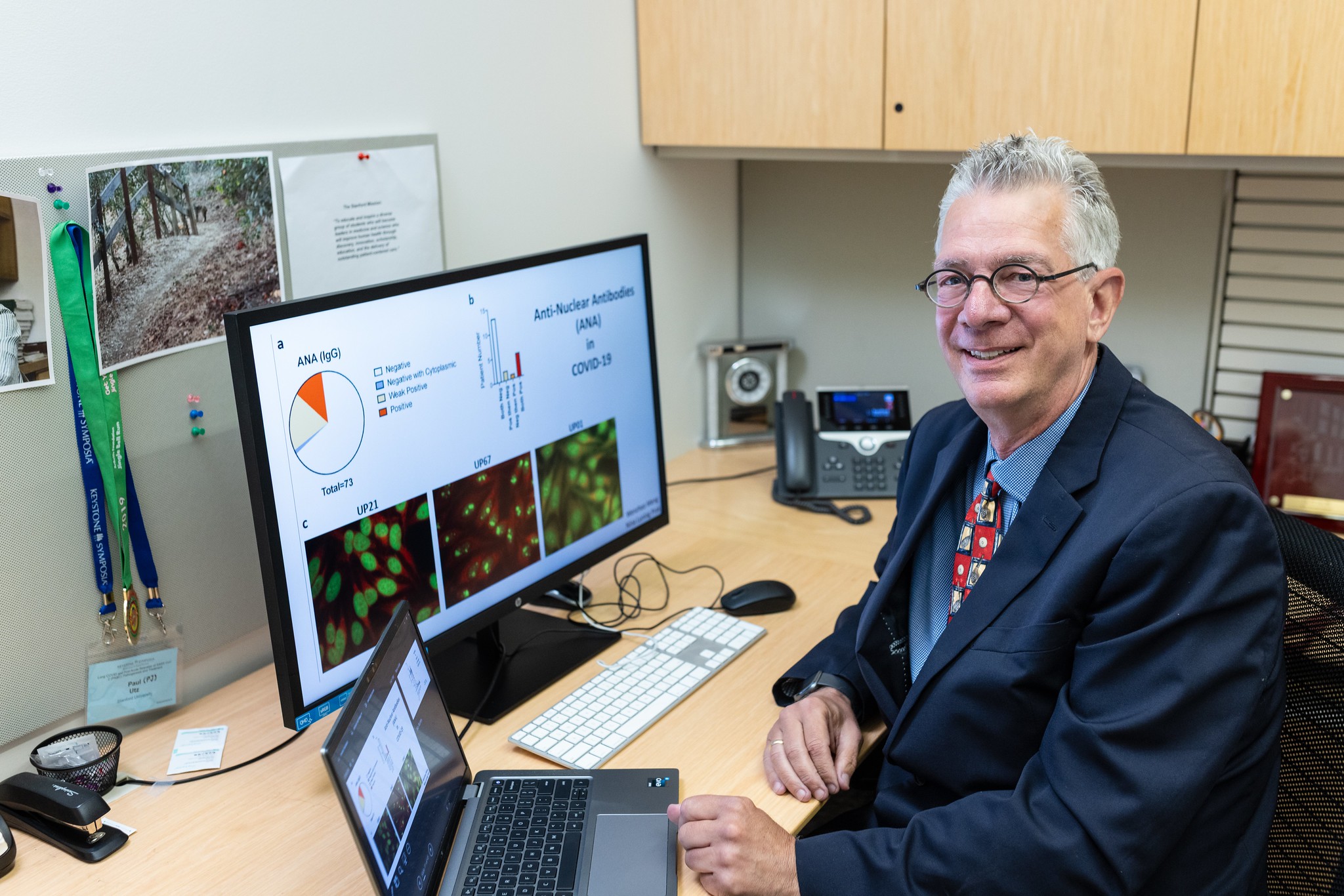
PJ Utz, MD, is a physician scientist and a professor of immunology and rheumatology in Stanford’s Department of Medicine
At Stanford, I have often heard the phrase “tripartite mission,” which encompasses our pillars of clinical excellence, research, and education. However, I propose that we embrace a “quadripartite mission” that includes promoting diversity, transforming our three-legged stool into a more robust four-legged foundation for academic success. As a leader in our Department, I am honored to be the first man to expand on this concept in this brief essay, highlighting two significant examples of the importance of women in medicine, research, and leadership positions.
STEM and biomedical research in our country are at a critical crossroads. We must ask ourselves: Do we continue to promote the vital importance of biomedical research? If so, how do we engage young people, particularly women and those from disadvantaged backgrounds? The Department of Medicine (DoM) has many programs aimed at this goal, but I want to spotlight two summer initiatives in particular: the Stanford Medical Youth Sciences Program (SMYSP) and the Stanford Institutes of Medicine Summer Research Program (SIMR).
As we celebrate our successes, let us also remain committed to fostering an inclusive environment that empowers the next generation of leaders in our field.
These programs exemplify our commitment to nurturing the careers of women in science and medicine across the educational continuum, from high school through senior leadership positions. At a time when the challenges may seem overwhelming, the DoM should take pride in our ongoing efforts to train, recruit, support, and retain some of the most talented women in research and medicine.
The Medical Scientist Training Program (MSTP) at Stanford has also seen a remarkable transformation. In the past, we struggled to recruit classes with equal or greater numbers of women. However, this changed dramatically when Dean Minor appointed Drs. Katrin Chua and Catherine Blish as co-directors of MSTP. In the 2019-2020 academic year, the program matriculated eight women and only two men. Those admitted that year had multiple offers from top programs, yet they chose Stanford, recognizing not only the world-class research opportunities available but also the clear commitment to diversity demonstrated by our leadership. The impact of this shift in leadership has been profound, fostering a culture within MSTP that will benefit society at large in the years to come.
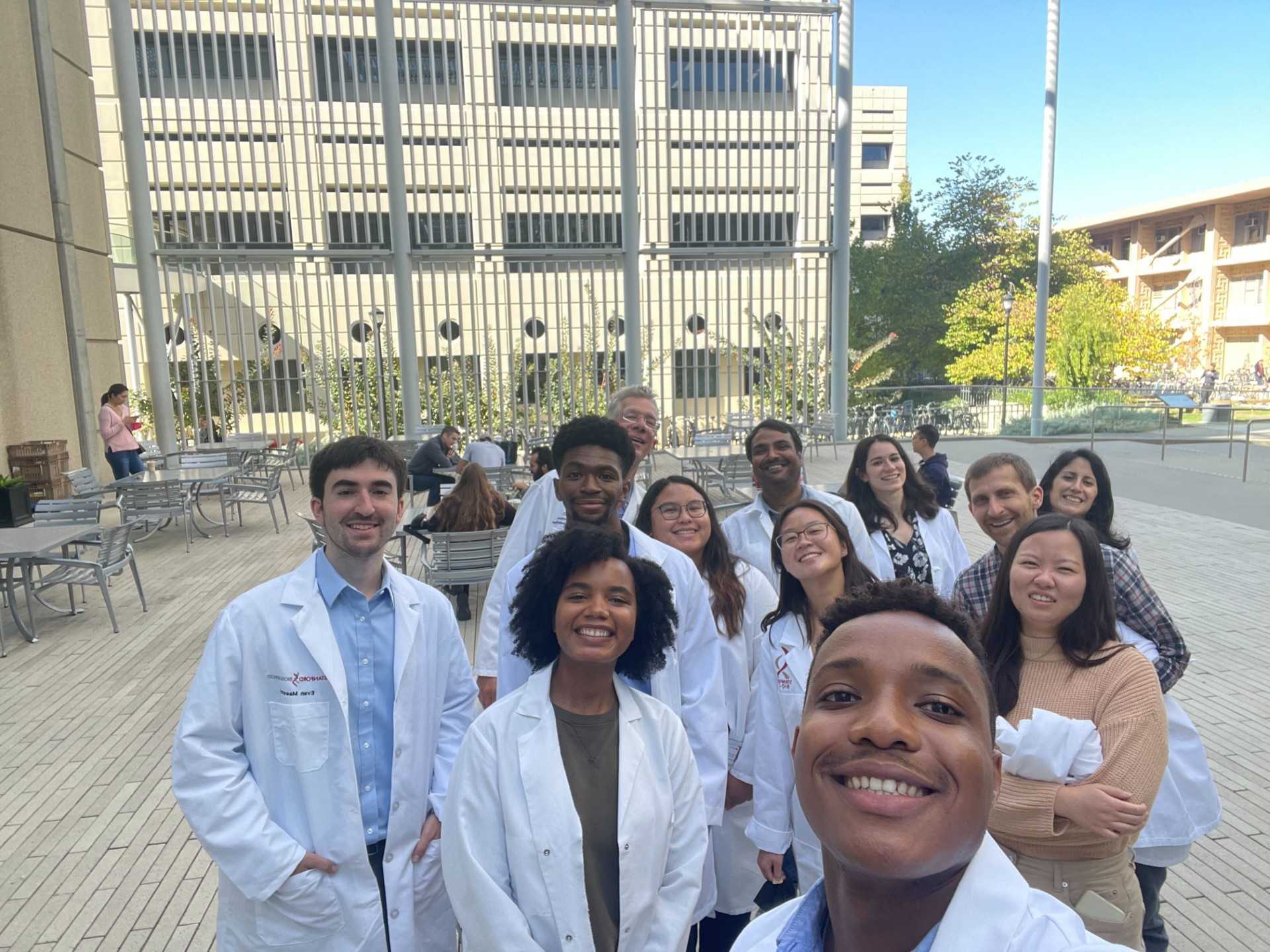
Principal Investigator PJ Utz, MD (center back) with the members of his research group on Stanford campus
Moreover, the SMYSP, founded by Emeritus DoM Professor Marilyn Winkleby, has played a crucial role in enriching the diversity of our nation’s medical enterprise. This five-week summer program, which initially targeted at-risk youth from the Central Valley, has inspired countless students to pursue careers in medicine. Since its inception in 1988, SMYSP has paved the way for many young women to enter the field.
Similarly, SIMR, an eight-week program where students work in research labs within the School of Medicine, has hosted over 1,100 students in its first 26 years, with approximately 55% being women. Many of these students have gone on to pursue biomedical research careers at institutions across the country. It takes decades of careful nurturing of such programs before we can truly see the fruits of our labor.
In conclusion, we must continue to champion the careers of women in science and medicine at every stage of their journey. As we celebrate our successes, let us also remain committed to fostering an inclusive environment that empowers the next generation of leaders in our field. Perhaps the term “quadripartite” will catch on, symbolizing our dedication to diversity and excellence in medicine.